Why use a Story Organiser?
Exploring the story of a text is not just about the plot or sequence of events. It is also about exploring the authors choice of narrative structure and narrative perspective and how these choices impact the story. There are texts on both the Junior Cycle and Senior Cycle courses that have multiple narrative perspectives, multiple parallel plot lines, or non-chronological story structures. This can prove to be overwhelming and confusing for some students to process, at the same time as having to think about characters, relationships and the new challenging vocabulary popping up all over the story.
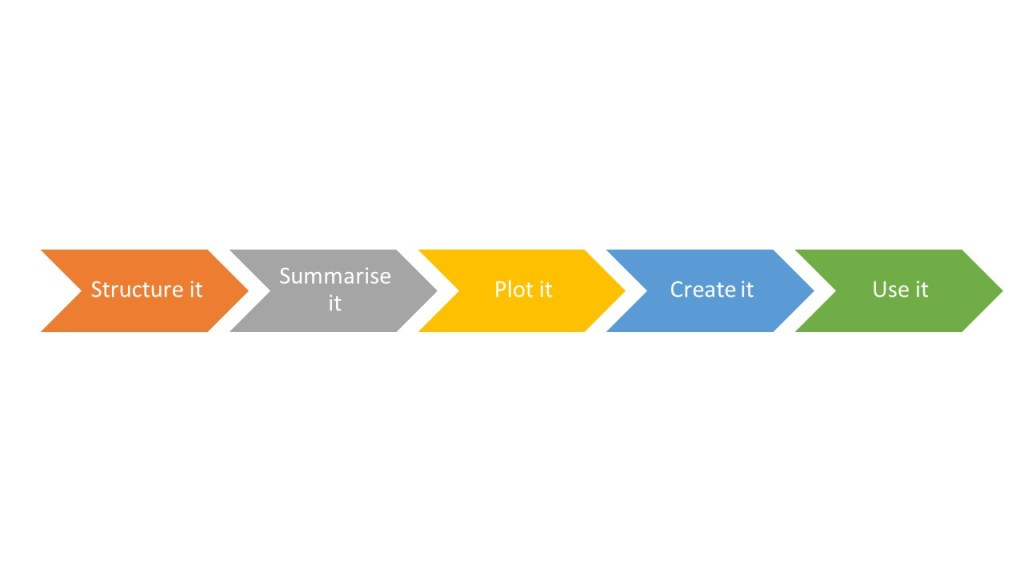
Organising these elements of a text visually into a graphic organiser is an excellent way of reducing cognitive load. In order to represent the story of each text we study; it is important to first answer these questions and adapt your graphic organiser appropriately.
The Steps
Narrative Perspective
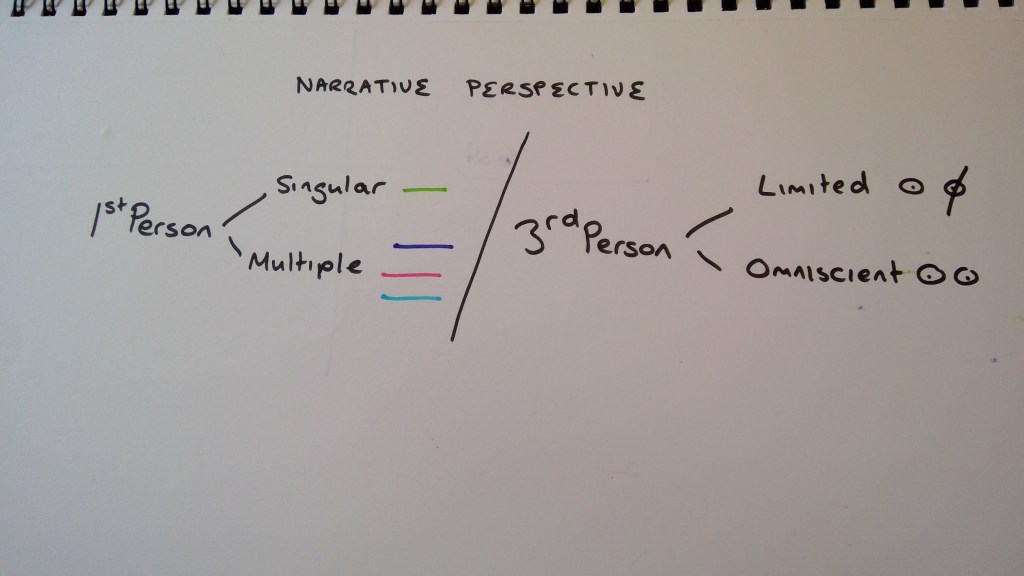
Firstly, what is the narrative perspective of the text?
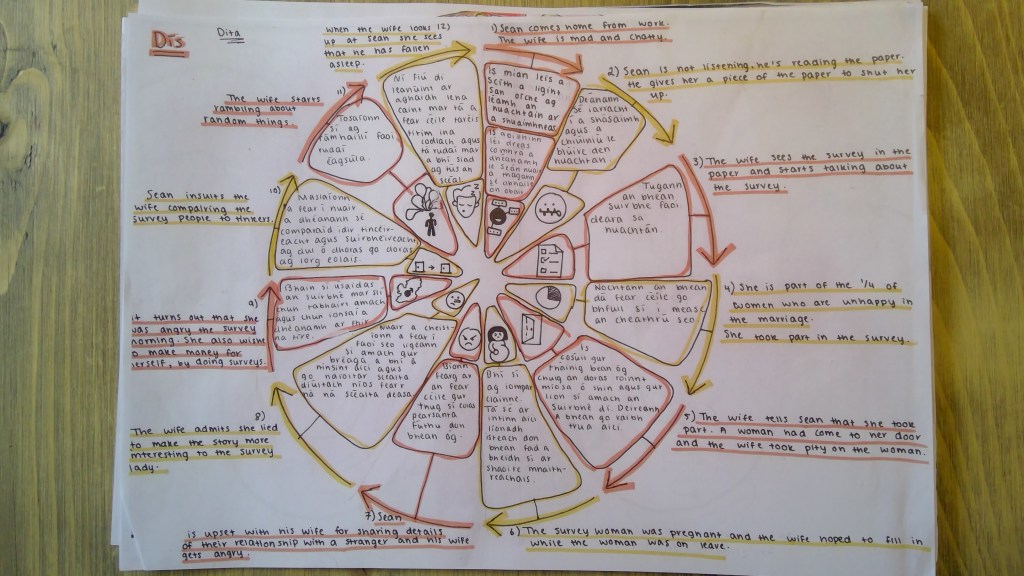
Multiple narrators will need to be identified in the organiser through the use of colour coding.
Narrative Structure
And secondly; what is the narrative structure of the text?
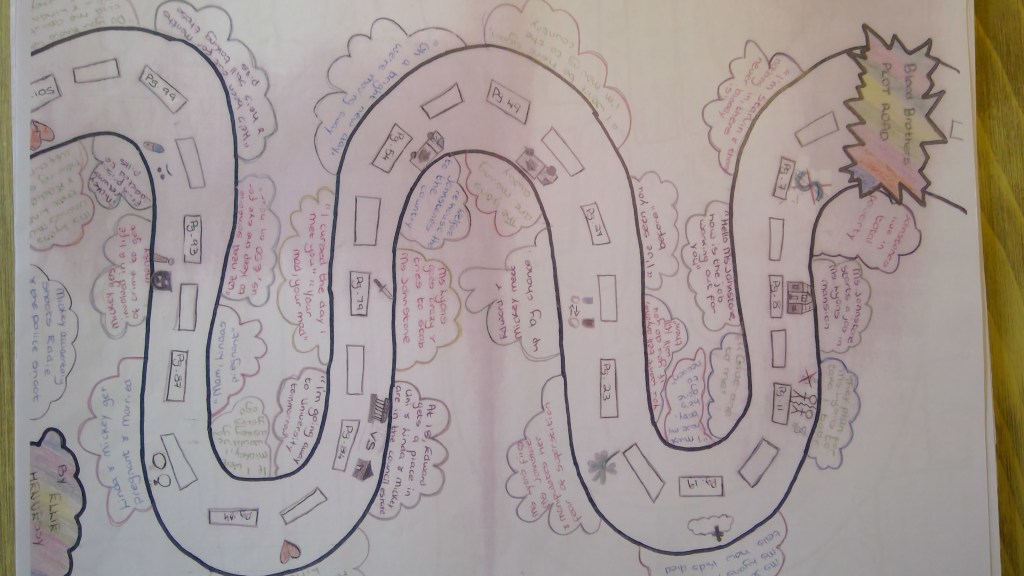
Although there are many possible variations of narrative structure, most stories fall into the following categories: Linear, circular, parallel and non- linear.
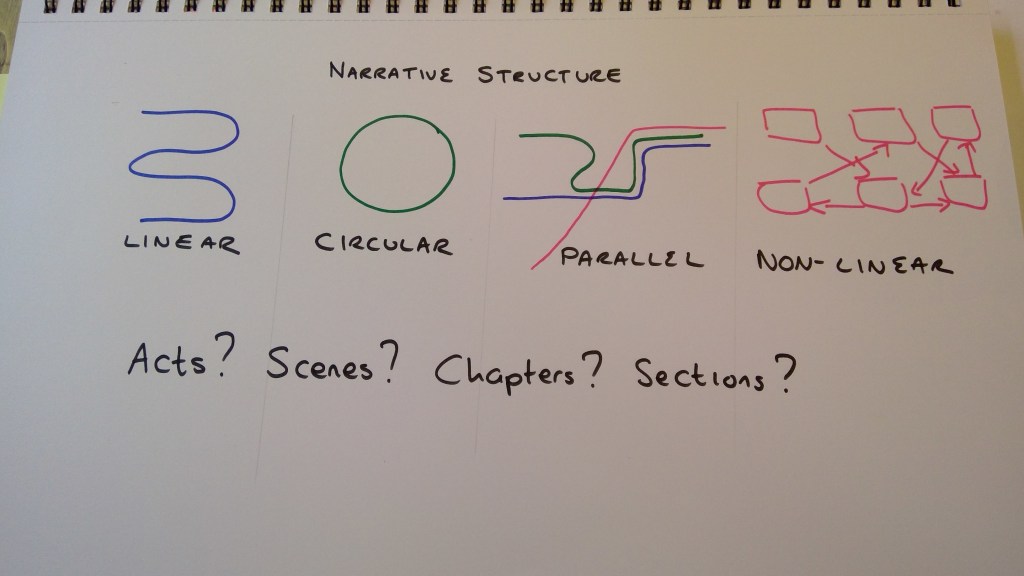
Once these two questions are answered, a student can create a graphic organiser with an outline that accurately represents the narrative structure and perspective of the story.
Summarising
Next, comes an exercise in the skill of summarising. For me, one of the most effective approaches to teaching summarising is “The one sentence summary.” There is nothing that cant be summarised in a sentence. It really helps students get to the heart of what is important and what can be cut.
***To get this right requires a lot of live modelling from the teacher to begin with before releasing students to attempt themselves. ****
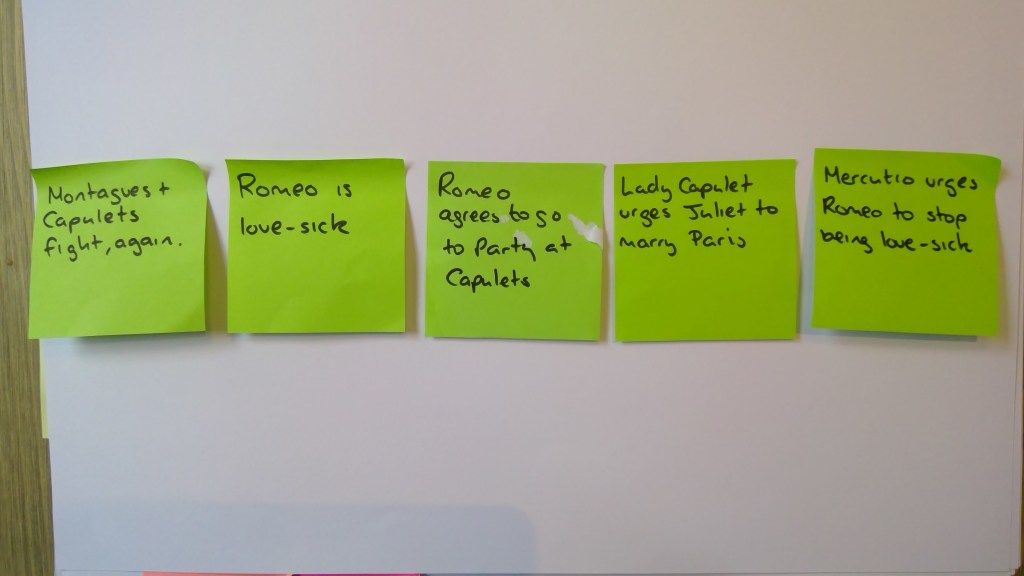
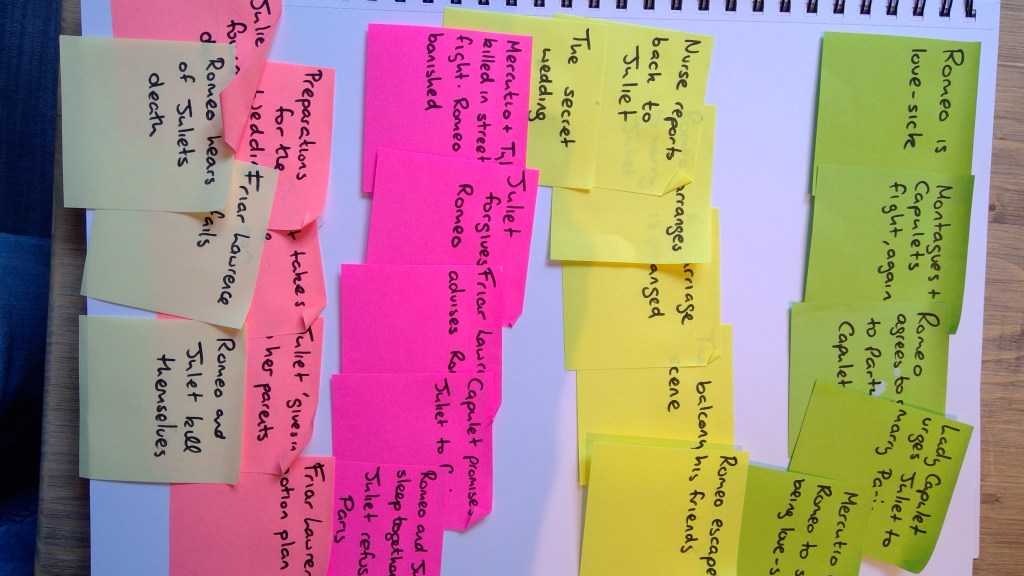
I use post-its – If it doesn’t fit on a post-it- its too long.
Plotting
Next, place the summarised post-it plot points in the order they appear in the text. The physical act of placing the post-its leaves a memory trace.
Create
The most important piece of advice for the creation part of this task it to use A3 paper and to sketch out a rough outline in pencil first.
Once that is complete, students can start thinking about any design features they want on their organiser.
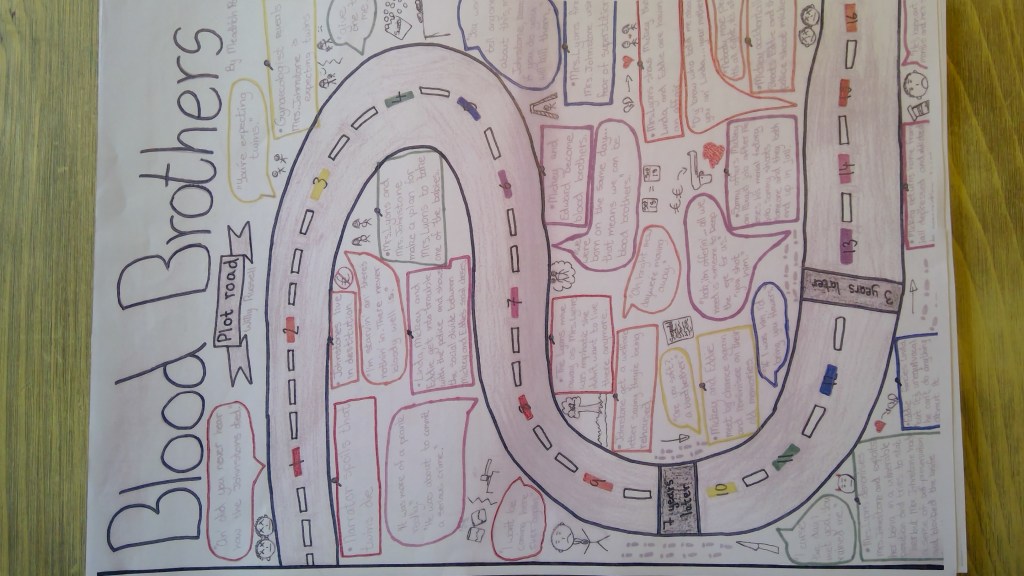
First look at colour. If there are multiple narrators, will they be distinguished in different colours? If there are different sections of the story, will you distinguish them with different colours? What colour will you pick for each section? Maybe the section the main character is in the most danger could be red and their trip through the mountains might be green?
How will you represent the passage of time on your organiser? If the text flashes forward seven years, will you represent that with a picture or symbol?
Will you use icons and images to add to your understanding of the story. (flaticons.com and thenounproject.com can help you here)
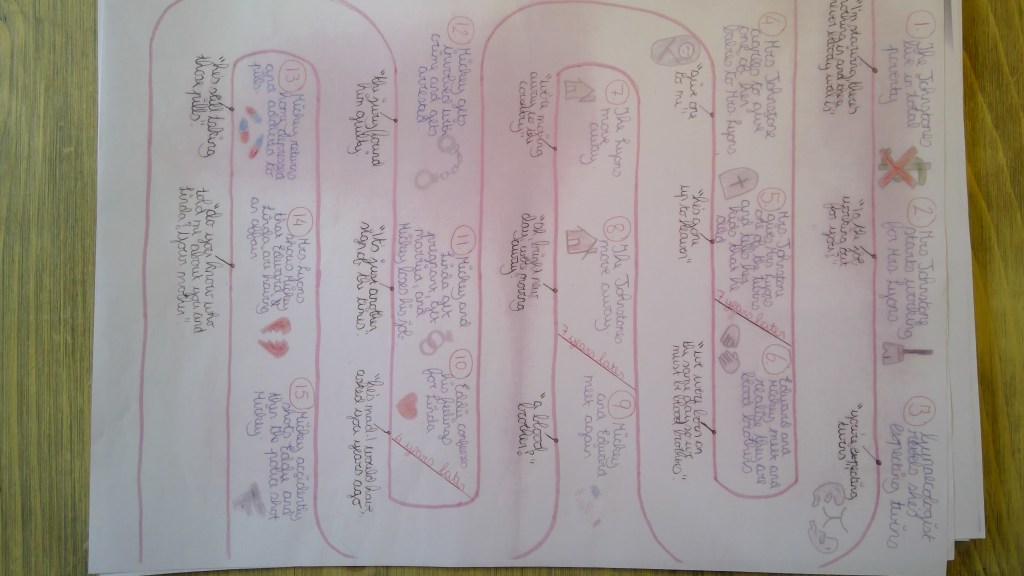
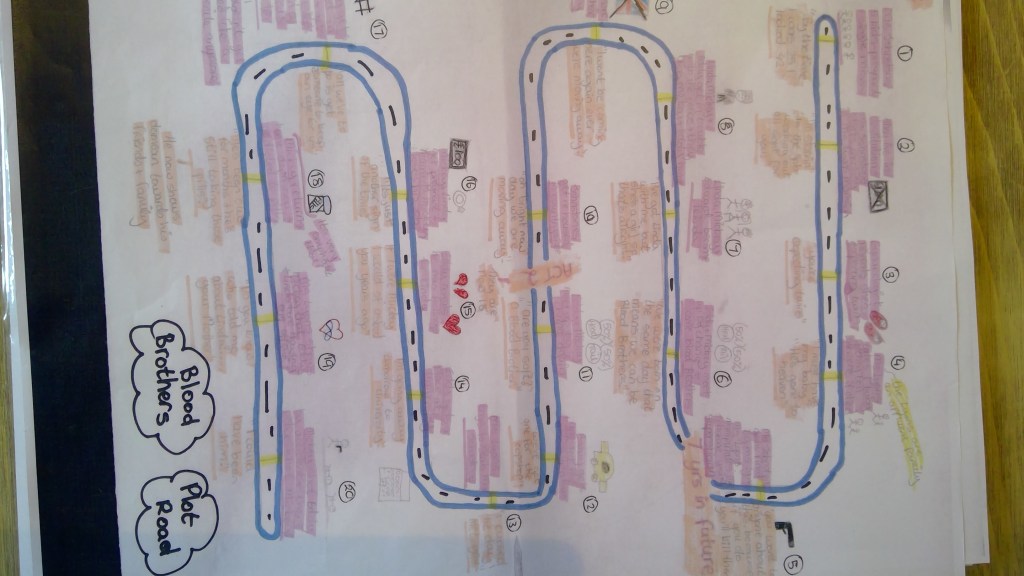
How to Use it
As a visual aid or scaffolding when writing about the text.
Hang your organiser up somewhere that you will see it everyday. Point to something different on the organiser everyday that you pass it and read it out loud.
Try to re-sketch your story organiser from memory. Check against your original. Now you know what you do know and what you do not know. Fill in the gaps in your knowledge. Try to re-sketch again in a weeks time. You will notice you retain more and more in your memory each time you do this.
Give somebody else the organiser and get them to ask you questions about the story, narrative structure and narrative perspective. Try to recall as much as possible from memory. The person with you can tell you if you are correct and can fill in your knowledge gaps if you have forgotten something.
Sit down with someone with the organiser in front of you. Tell the person with you about story, pointing out specific key moments. Get the person with you to ask questions about why you chose to design your organiser the way you did and what significance the decisions you made have to the text.
YouTube How to Video
Watch this how to video to help you create a story organiser.
 The English teacher